Charity & non-profit research
Hear from the people
closest to your cause.
We help charities and non-profits connect with supporters, beneficiaries, communities and specialist audiences — so research is grounded in the experiences and perspectives that matter.
50k
Surveys Completed Annually
94
NPS Score
20
Years in business
RESEARCH STARTS WITH THE PEOPLE
Understand the experiences behind the numbers
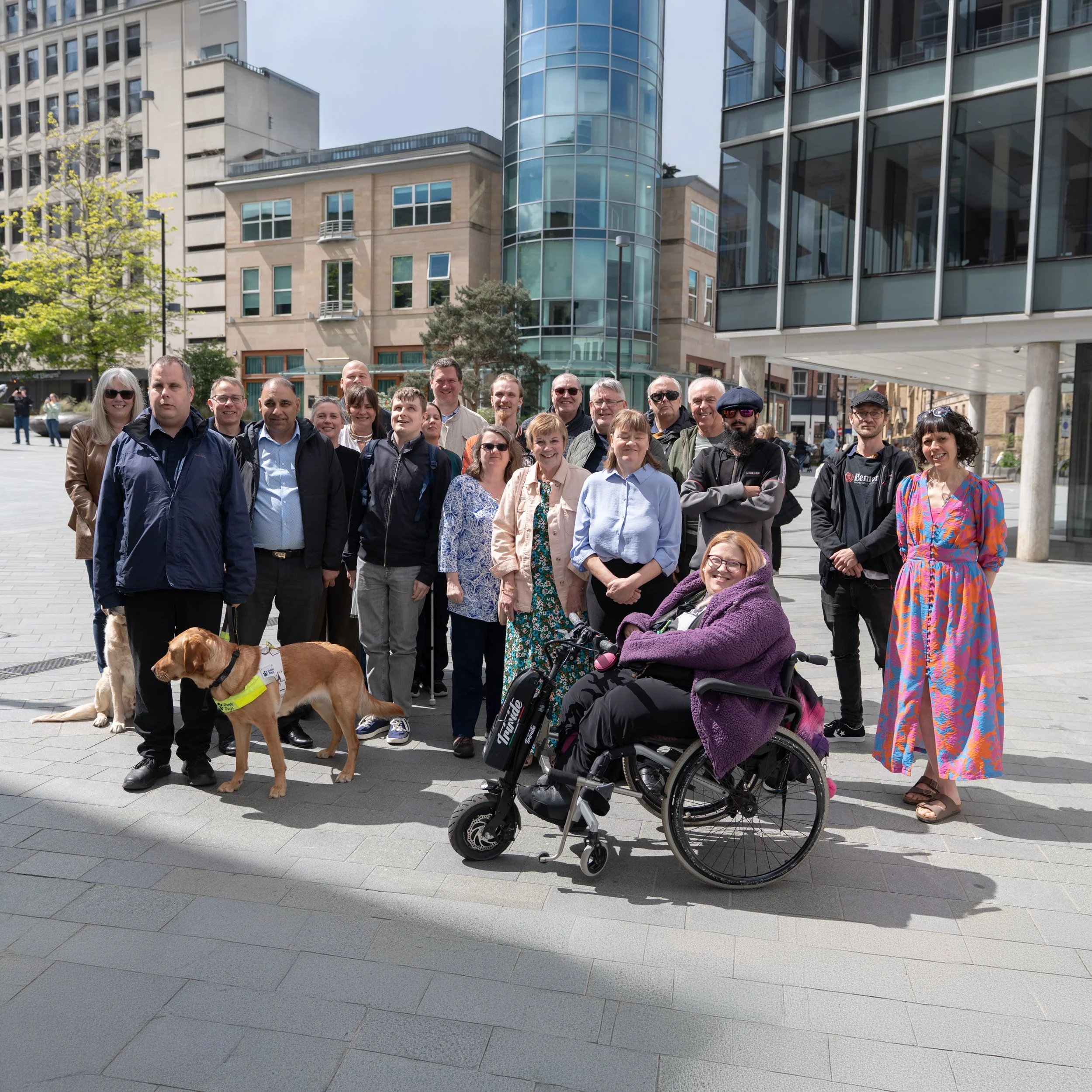
For charities and non-profits, research often touches people with a real connection to the issue as supporters, service users, beneficiaries, volunteers, professionals or members of a wider community.
That makes thoughtful recruitment especially important. Viewpoint can help you reach relevant people through fieldwork designed around the audience, subject and way participants can realistically take part.
WHO DO YOU NEED TO UNDERSTAND?
Different relationships. Different perspectives.
01
Beneficiaries & service users
People with direct experience of support, services or circumstances relevant to the research.
02
Supporters & donors
Understanding motivations, experiences, attitudes and engagement.
04
Volunteers & members
People who give time, participate in programmes or form part of a community.
05
Professionals & stakeholders
Practitioners, partners and specialist audiences around the cause.
06
The wider public
Awareness, attitudes and understanding among broader audiences.
Trusted By







RESEARCH ACROSS THE RELATIONSHIP
From awareness to lived experience
01 AWARENESS
What do people know or believe?
02 ENGAGEMENT
Why do people support or participate?
03 EXPERIENCE
What is it actually like to engage with services?
04 NEEDS
What matters and where are the barriers?
05 IMPACT
What has changed and how is that change described?
SENSITIVE SUBJECTS NEED THOUGHTFUL FIELDWORK
Recruitment should respect the person, not just the criteria
Some charity research involves personal experiences, vulnerability or sensitive circumstances. The recruitment experience needs to be clear, appropriate and considered from first contact onwards.
01 Appropriate screening
Establish eligibility without making recruitment unnecessarily intrusive.
02 Clear expectations
Participants understand the format, subject and requirements.
03 Suitable recruitment routes
Community, targeted, telephone, online or mixed approaches.
04 Participant care
Communication and logistics reflect the audience and project.
WHEN THE USUAL PANEL ISN'T ENOUGH
“The people we most need to hear from aren't necessarily the easiest people to recruit.”
Some projects need people defined by a particular experience, circumstance or relationship with an issue. That's a recruitment challenge to design around not a reason for those perspectives to be missing.
Targeted and mixed-method recruitment can create more appropriate routes into the research.
FLEXIBLE FIELDWORK
Use the method that fits the people
ONLINE
Survey recruitment
Targeted respondents for quantitative research.
RESEARCH WITH A JOB TO DO
Insight that can support real decisions
Understand supporter attitudes and motivations
Reach communities missing from existing evidence
Explore beneficiary needs and experiences
Develop services and communications
Gather evidence around experience and impact
HOW IT WORKS
From the research question to the right participants

Understand the purpose
What do you need to learn and inform?

Define who matters
Identify the experiences or relationships required.

Choose the route
Build an approach suited to the audience.

Recruit & deliver
Manage participation against agreed criteria.
What our clients are saying
-
![]()
Project Manager, Sheffield Museums Trust
Viewpoint worked well to arrange this for us at very short notice, they were flexible and accommodating. The expertise they brought… were very helpful, and we are really pleased with the results.
-
![Nestle Logo]()
Sourcing Manager, Nestle UK
It was great working with Viewpoint on the project. I felt the relationship was very positive with mutual trust. They were able to provide their expertise, whilst also responding to our specific requests. The work was of a high quality and we are now looking to use the results as we develop our local York based approach to community impact.
-
![]()
Customer Services Manager At Kier Group
Viewpoint have made a significant contribution to the success of our business helping us to develop our services and improve performance over many years. A professional and reliable organisation who are flexible and responsive to our needs.
-
![]()
Marketing Manager at Gripple UK & Ireland
It was a really engaging and efficient process that allowed us to receive high quality feedback. We will definitely be working with them again on future projects!
-
![]()
Customer Care at EQUANS
I have worked with Viewpoint for several years and have found the service they provide to be exceptional. Since using Viewpoint, the results we now receive are more open and honest and provide invaluable data to our company.
-
![]()
Sheffield Council Housing Planning & Performance Manager
We set Viewpoint a challenging target of 70% completion rate for all completed properties, and every month they achieved or exceeded it.
-
![]()
Business Intelligence Officer, Norwich City Council
They were competitively priced but what swung it in their favour was the excellent customer service. They were beyond helpful and have accommodated every chop and change we’ve asked for since.
-
![]()
Senior Research Fellow, Sheffield Hallam University
Viewpoint’s tenacity and conscientiousness exceeded expectations and they were always prepared to go the extra mile to achieve the number of completed surveys we needed. We would use them again in a shot.
-
![]()
Governance Manager, All Together Money
The dashboard went down really well with the Board and was a great tool to aid discussion in the strategy meeting. It is a fabulous piece of work that adds so much to what we have done before and makes the data we have so much easier to view.
-
![]()
Regional Director at AECOM
Viewpoint’s team were incredibly responsive. It was clear from the outset that they genuinely cared about the work and delivering a high-quality outcome. We quickly formed a strong partnership, and they were consistently easy to work with throughout the project, always meeting the agreed timescales. Honestly, it’s hard to suggest any improvements — we just wish more of our contractors and sub-consultants were like them..




Professional standards you can trust

WHO DO YOU NEED TO UNDERSTAND?
Tell us about the people behind your research.
Share the audience, subject, methodology and timings. We'll help you think through a practical recruitment and fieldwork approach.